

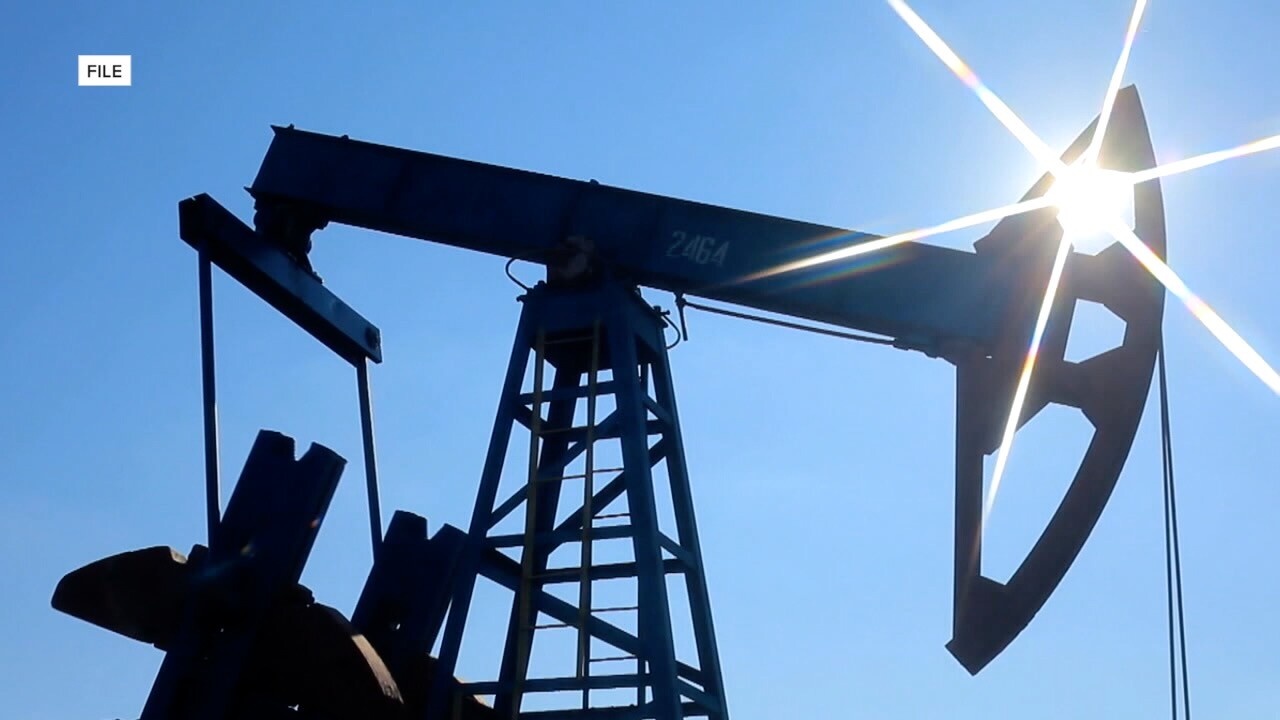


ST. MARTIN PARISH — Louisiana officials are considering a proposal that would temporarily lower oil and gas royalties on state-owned leases for up to five years, a move supporters say could encourage new drilling and revive inactive wells, while critics warn it could reduce state revenue in the short term.
The proposal comes from the Louisiana Department of Conservation and Energy and would apply only to leases owned by the state. It would allow royalties to be reduced by up to eight percent, but never below the legal minimum of 12.5 percent, for a period of up to five years. The goal is to make drilling on state land more financially attractive to operators.
Mike Moncla, president of the Louisiana Oil and Gas Association, said the industry has faced mounting challenges for years. "The inland waters market has been decimated by coastal erosion lawsuits, legacy lawsuits, and the litigiousness of our state, so the production for Louisiana has continued to dwindle for the last fifteen years,” Moncla said.
Moncla says the proposed royalty reductions are not limited to new drilling projects. Operators with wells that have been inactive for extended periods could also benefit.
“it's not just for new drills. If you have inactive wells that have been inactive for more than six months, they can do workover on those wells to try to bring that production back,” Moncla said.
He adds that the proposal builds on legislation passed last year that lowered the severance tax on new drilling to about 6.5 percent, a change aimed at making Louisiana more competitive with other energy-producing states.
However, some experts caution that lowering royalties could have consequences for the state’s finances. University of Louisiana Political Science Professor David Hughes said royalties and taxes from oil and gas production have historically been an important revenue source for Louisiana.
“Anytime you cut a major source of government revenue, the question is, is the government going to cut its budget in order to take the hit in revenue that it’s expecting from a tax cut like that,” Hughes said.
Hughes said the state may be betting that temporary incentives will eventually lead to sustained production that continues even after the royalty reductions expire. But he noted that outcome is not guaranteed.
“Perhaps it is the case that by making something cheaper, you incentivize more consumption, and through that extra consumption you make up the loss to the government balance sheet, but that’s speculative,” Hughes said.
State officials are currently accepting public comment on the proposed guidelines through January 28. Those guidelines could shape how oil and gas leases are managed on state land in the years ahead.
Craig Romero, executive director of the Port of Iberia, said the issue goes beyond royalty rates.
“They’re not gonna drill,” Romero said. “The oil companies are not gonna do that. They’re being sued, and it’s just chasing them out of the state, and that’s why they’re looking at ways to try to reduce the royalties.”
Romero said ongoing lawsuits against oil and gas companies have created uncertainty, discouraging investment regardless of financial incentives. As a result, he said, Louisiana has already seen a steep decline in royalty revenue.
In the 1970s and 1980s, Romero said Iberia Parish received between $7 million and $10 million annually in royalties. Today, that figure has dropped to an estimated $200,000 to $300,000 a year.
“That’s practically no activity in terms of new drilling on land and inland waters in the state of Louisiana,” Romero said. “We’re a coastal parish, so normally we’d have more than most parishes, but it’s down to nothing.”
Romero said the parish’s experience highlights the potential economic impact of declining drilling activity, adding that the loss at the state level could be even more significant.
