



ST. MARY PARISH — The war in Iran is creating ripple effects far beyond the Middle East, with rising aluminum costs now impacting local businesses in St. Mary Parish.
At Hanko Boats in Berwick, owner Heath Hoffpauir says his operation is already seeing those changes take shape. “So far the biggest impact we can see is our cost up about 10% since January so we’re up 10% and we’re expecting probably another 10 to 12 and nobody has a crystal ball but that’s what we're kind of planning for.”
Hoffpauir explained that much of the aluminum supply used by manufacturers like his comes from the Middle East. “A lot of supply comes from the Middle East, Bahrain is a major producer of aluminum and guess where they ship from, The Strait of Hormuz right through there. So since then in talking to our wholesale distributors they see it coming too, but nobody knows what a couple months from here brings.”
He added that Iran’s role as a major producer has contributed to the uncertainty. “They’re a big producer and they shut down about 19 to 20% of their production because they can’t get supplies in and supplies out and so we’re kind of in this grey area.”
Pricing, Hoffpauir said, is not always straightforward. Aluminum costs are influenced by both global and regional benchmarks, as well as additional expenses tied to transportation and supply chains. “Aluminum is set with the LME index and the midwest index, so what you see in the global prices which is the LME index, versus the midwest index is very different because by the time it gets to us, you have shipping and a lot of other factors that are added in.”
He said those combined factors ultimately determine what manufacturers in the United States pay for aluminum. “And then both of those prices are added in plus shipping and then they kind of describe the profit margin in that area is how you buy metals in the United States.”
Even with daily pricing updates, Hoffpauir said the cost businesses feel often depends on what it takes to replenish supply. “Theres pricing put out daily, but it’s going to go by what the restock price is; so what they have to buy to restock their aluminum, doesn't matter if they bought it lower then and it takes a while for that to factor in.”
As prices fluctuate, Hoffpauir said his team focuses on efficiency to stay ahead. “It’s great if it goes down it helps us, but if it goes way up, well you know we kind of absorb that and you try to win by being efficient.”
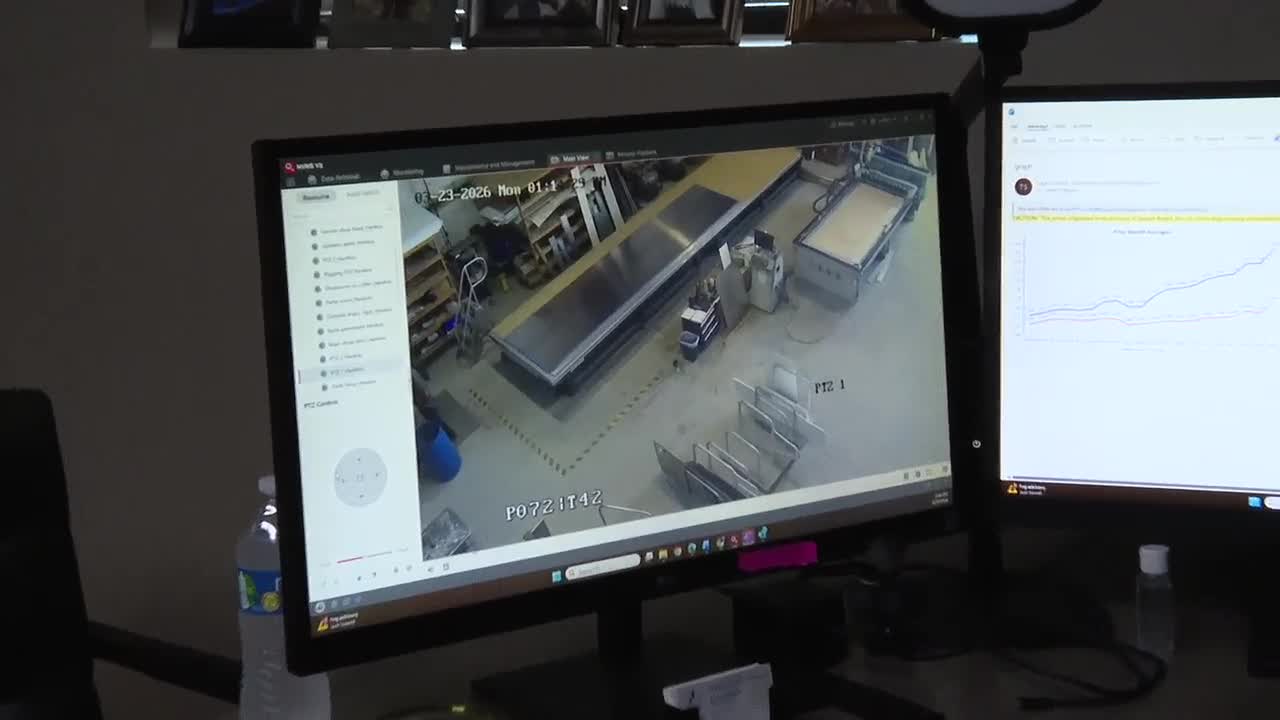
That strategy includes planning ahead and securing materials early. “So what we try to do is, we try to hurry up and purchase the metals, and then stage them up like you see in the racks for all the future projects coming up that’s how we control our cost the best we can.”
For now, Hoffpauir said he will continue to monitor aluminum prices and supply conditions closely, hoping for more stability in the months ahead as global markets respond to ongoing developments overseas.
This story was reported by a journalist and has been converted to this platform with the assistance of AI. Our editorial team verifies all reporting on all platforms for fairness and accuracy.
