



ST. MARY PARISH — As freezing temperatures settled across St. Mary Parish, firefighters in Franklin said extreme cold does more than test residents — it changes how they operate and raises safety concerns that can linger even after temperatures rise.
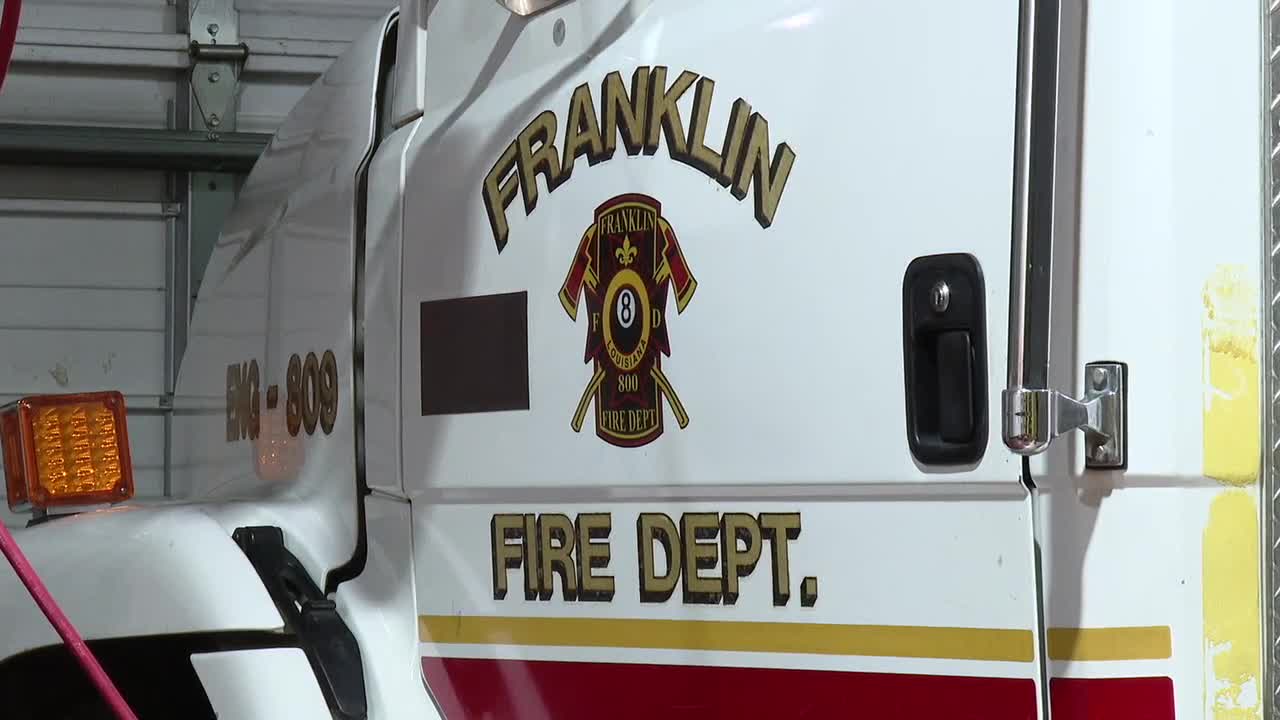
Fire crews said cold weather impacts nearly every part of their job, starting inside the station. Keeping trucks operational becomes critical when temperatures drop, as frozen equipment can slow response times during emergencies.
“It has a lot of impact on us — I mean, we have to keep our trucks warm number one. We’ve got heated bays where the trucks stay,” said Franklin Fire Chief Chuck Bourgeois.
Firefighters said keeping water from freezing inside fire trucks requires constant attention, including circulating water through the pumps to prevent ice buildup.
“We actually have to put our trucks in pump gear and let it start circulating water because moving water doesn’t freeze,” Bourgeois said.
While crews focus on maintaining their equipment, firefighters said one of their biggest concerns during extreme cold extends beyond the station and into the community’s water system. Cold temperatures can lead to broken water mains, and common practices like dripping faucets can strain limited water supplies.
“A lot of municipalities run into issues with broken water mains during the cold. People running their faucets at night — that’s a no-no because it takes away from the water supply that they do have in storage, and it puts us at risk in case we do get a fire,” Bourgeois said.
Firefighters also reported a slight uptick in carbon monoxide-related calls during the cold snap, often linked to unsafe heating practices inside homes. Assistant Fire Chief Justin Martin said those calls tend to increase as temperatures fall.
“When the temperatures start to drop, we get an influx of carbon monoxide calls, and it’s usually what we end up finding is people using their ovens trying to heat their house,” Martin said.
Fire officials said carbon monoxide is especially dangerous because it cannot be seen or smelled, making it difficult for residents to detect while sleeping.
“Carbon monoxide is odorless — you can’t smell it — so if you’re sleeping and you have an issue with a heater, you’re not going to know it. So carbon monoxide detectors do come in handy,” Martin said.
As temperatures begin to rise, firefighters said the lessons from the cold snap remain important. Crews are encouraging residents to make sure smoke and carbon monoxide alarms are working properly and to avoid unsafe heating methods. Anyone who needs a smoke alarm — or help installing one — is encouraged to reach out directly to the Franklin Fire Department.
Firefighters said taking simple safety steps and understanding how cold weather affects emergency response can help reduce risks and ensure crews are ready when emergencies happen.
This story was reported by a journalist and has been converted to this platform with the assistance of AI. Our editorial team verifies all reporting on all platforms for fairness and accuracy.
