

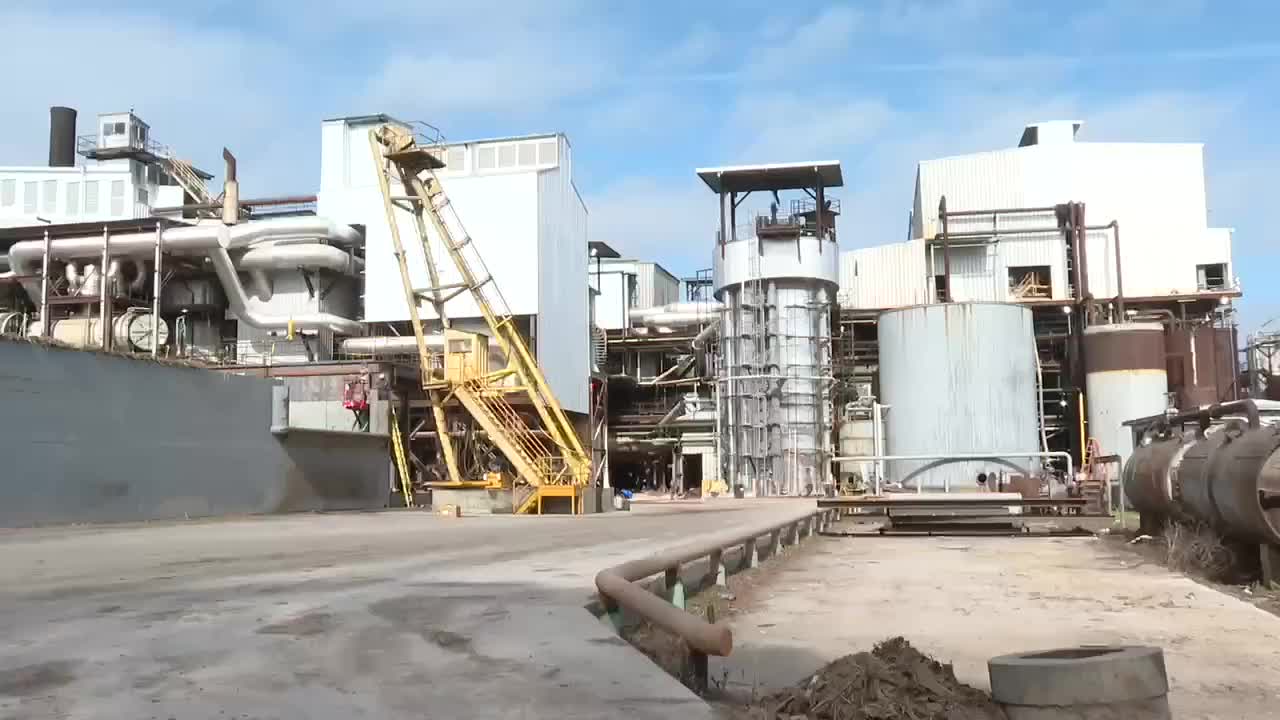


ST. MARTIN PARISH — Sugarcane processing at the LaSuCa mill in St. Martinville officially wrapped up on December 27, marking the end of a season that ultimately exceeded early expectations. When the harvest began, producers were closely watching weather conditions and hoping they would hold long enough for a strong finish. Now, with processing complete, the final numbers show how the season unfolded compared to those early projections.
“The goal is to always get better and never settle for what you've done before,” said John Hebert, agricultural manager for LaSuCa.
Hebert explained how sugarcane moves from delivery trucks into the mill for processing and said favorable weather conditions played a key role in the season’s outcome. “We were blessed with very dry conditions that limits expense to growers in the field and it also helps us to process only cane and not a lot of mud and excess debris,” Hebert said.
At the start of the season, Hebert said LaSuCa’s goal was to produce 470 million pounds of sugar, or about 4 million pounds per day. By the time processing concluded on December 27, the mill had surpassed that target.
“We processed nearly 2 million 50 thousand tons here at LaSuCa and that created an excess of 500 million pounds of sugar, which is the largest crop we’ve ever processed here,” Hebert said.
The final total exceeded the original goal by more than 100 million pounds. Hebert said that result was not guaranteed early on, noting that initial sugar recovery numbers were lower than expected.
“I can't say that we expected such high recovery. In fact, at the beginning of the season, we were somewhat disappointed by the sugar numbers,” he said.
As the season progressed, growing conditions improved, leading to higher recovery rates. Hebert explained that after the cane is crushed, it is turned into a juice-like product and steam before moving through multiple stages of processing inside the plant.
“And then the juice gets processed in the area behind us, through multiple stages that we refer to as the fabrication division,” Hebert said.
While much of the work happens inside the mill, Hebert emphasized that the foundation for a successful season begins well before processing starts.
“Magic happens in the field first, because we can’t create something we don’t have,” he said.
With processing now complete, Hebert said the focus heading into 2026 is not just repeating the success of 2025, but finding ways to build on it.
This story was reported by a journalist and has been converted to this platform with the assistance of AI. Our editorial team verifies all reporting on all platforms for fairness and accuracy.
