



ST. MARTIN PARISH — As South Louisiana continues to experience intense summer heat, firefighters are battling more than just flames. High temperatures are making emergency calls even more demanding.
St. Martin Parish Fire Department Deputy Chief David Douget said keeping firefighters hydrated becomes one of the department's top priorities.
"With the high heat situation, we try to push most of our guys on hydration, push hydration for scene operations though high heat temperatures — especially with the equipment we carry — you can sweat but it doesn't go anywhere," Douget said.
The department also brings in additional resources early when responding to fires during extreme heat. Douget said Acadian Ambulance crews are often called to scenes to monitor firefighters for heat-related illnesses.
"We try to get them on scene not just for civilian issues but for firefighter issues, so they have cold packs they can issue. They can start IVs if we need to or they can transport somebody off the scene," he said.
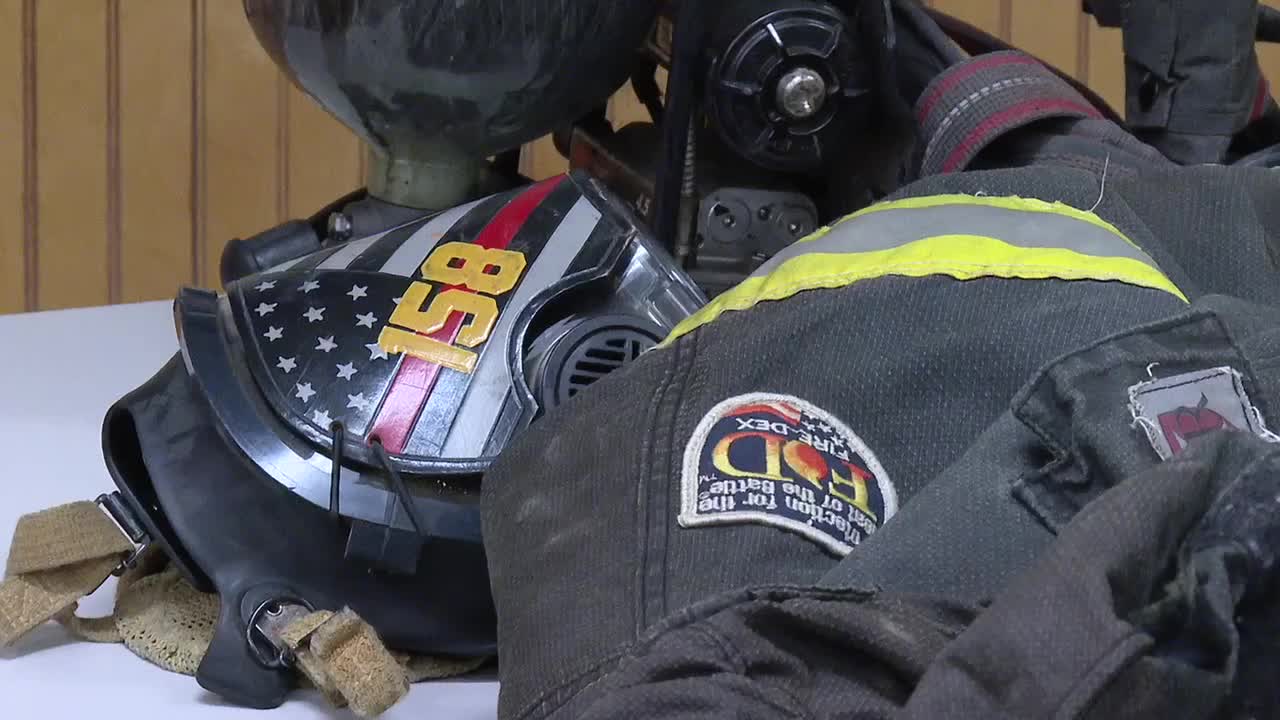
The same gear that protects firefighters from flames also makes it harder for their bodies to cool down. Douget explained that the multiple layers are designed to protect against heat and moisture, but they also trap sweat inside.
"The pants, the boots, the coats — it's all made with different layers. So some of it’s there to protect from heat, some of its there to protect from moisture so you don’t get steam burns or anything else, but the bad part is it doesn't let that sweat get out," Douget said.
Even before adding an air pack, helmet and other equipment, firefighters are already carrying a significant amount of weight.
"It’s 35 to 40 pounds from just the pants and coat itself," Douget said.
While firefighters are working to protect themselves from the heat, Douget said homeowners should also be mindful of how prolonged high temperatures can strain electrical systems. Air conditioners, refrigerators and other appliances often work harder to keep homes cool, increasing the importance of unplugging devices that are not in use and paying close attention to older appliances.
"Some people have that outside on their porches or garages; well this sweltering heat — it’s struggling to keep up and it’s just an extra demand on the electrical components of that as well," Douget said, referring to refrigerators commonly kept in garages or on covered porches.
After every fire, firefighters follow procedures to lower their body temperature before returning to service.
"To refresh, rehydrate, whatever, to immediately take your gear off, let your body kind of cool down, drop that core temperature so we don't have any heat-related issues," Douget said.
Douget encourages residents to stay hydrated, take frequent breaks when spending time outdoors and inspect electrical appliances during periods of extreme heat to help reduce the risk of heat-related illnesses and prevent fires.
