

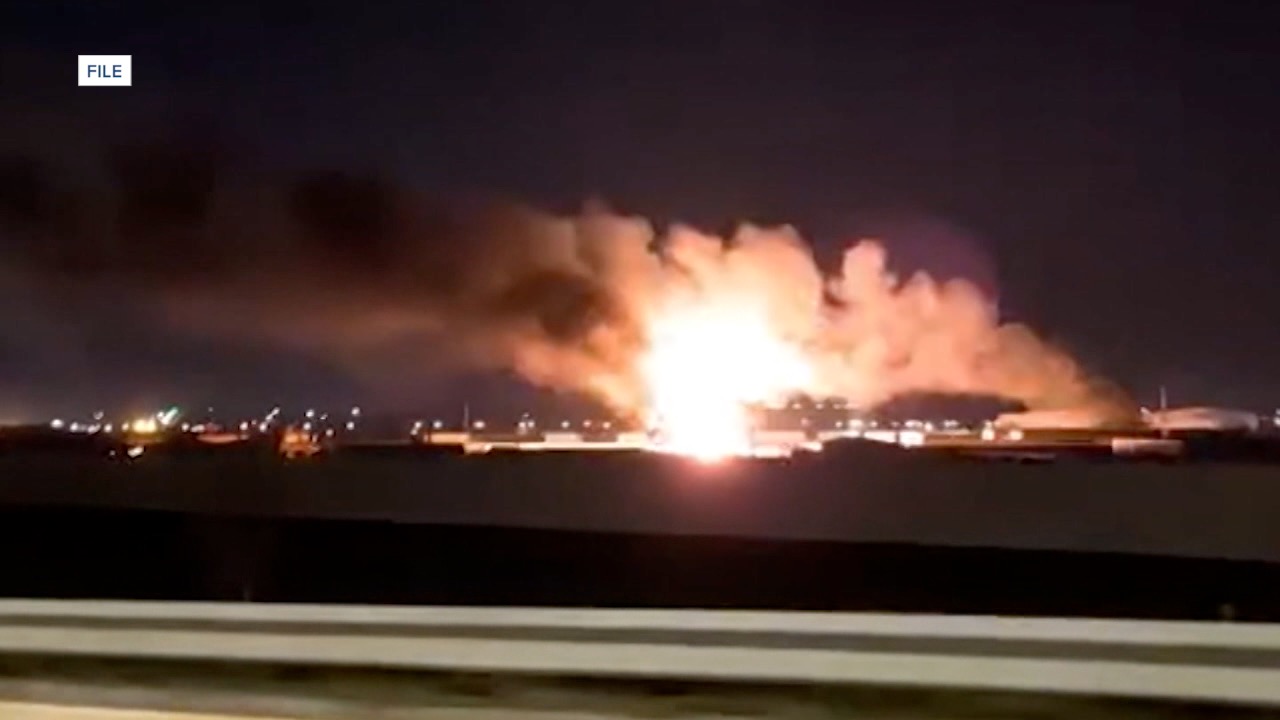


LAFAYETTE, La. — Following joint U.S.-Israeli strikes on Iran, a University of Louisiana at Lafayette political science professor says the escalating tensions in the Middle East could carry international and domestic implications, but warns that talk of a wider global conflict is premature.
“This is a long-running point of strain between the United States and Iran,” said Associate Professor David Hughes. He added tensions are rooted in Iran’s push for nuclear capabilities and its support for proxy groups across the region.
Comparing the regional strife to the war in Ukraine, Hughes said, “The ongoing war in Ukraine is a much, much, much larger-scale conflict compared to what we're seeing right now.”
While concerns about a larger war are mounting, Hughes emphasized that the United States has so far relied on remote, long-range strikes and has not deployed ground troops. “Post Iraq-Afghanistan, that’s been a line most presidents haven’t wanted to cross due to the American public’s dissatisfaction with the ongoing conflict in Iraq and Afghanistan,” Hughes said.
At least six U.S. service members have been confirmed dead as tensions rise, and new threats are now targeting the Strait of Hormuz, a critical shipping corridor. “Independent shippers are avoiding that area right now, along with other kinds of transportation. The airspace around Iran has virtually come to a standstill,” Hughes said.
Despite rising threats in the Gulf, Hughes noted that Iran is no longer the dominant regional power it once was, while the U.S. maintains significant military strength in the area. “We certainly saw the president has threatened the Iranian navy, and if the U.S. were to exercise that prerogative, that could potentially defang the state’s threats to shut down this shipping corridor,” he said.
Hughes cautioned that the situation in Iran remains fluid, and it is too early to predict how leadership and retaliation in the region will unfold.
This story was reported by a journalist and has been converted to this platform with the assistance of AI. Our editorial team verifies all reporting on all platforms for fairness and accuracy.
