

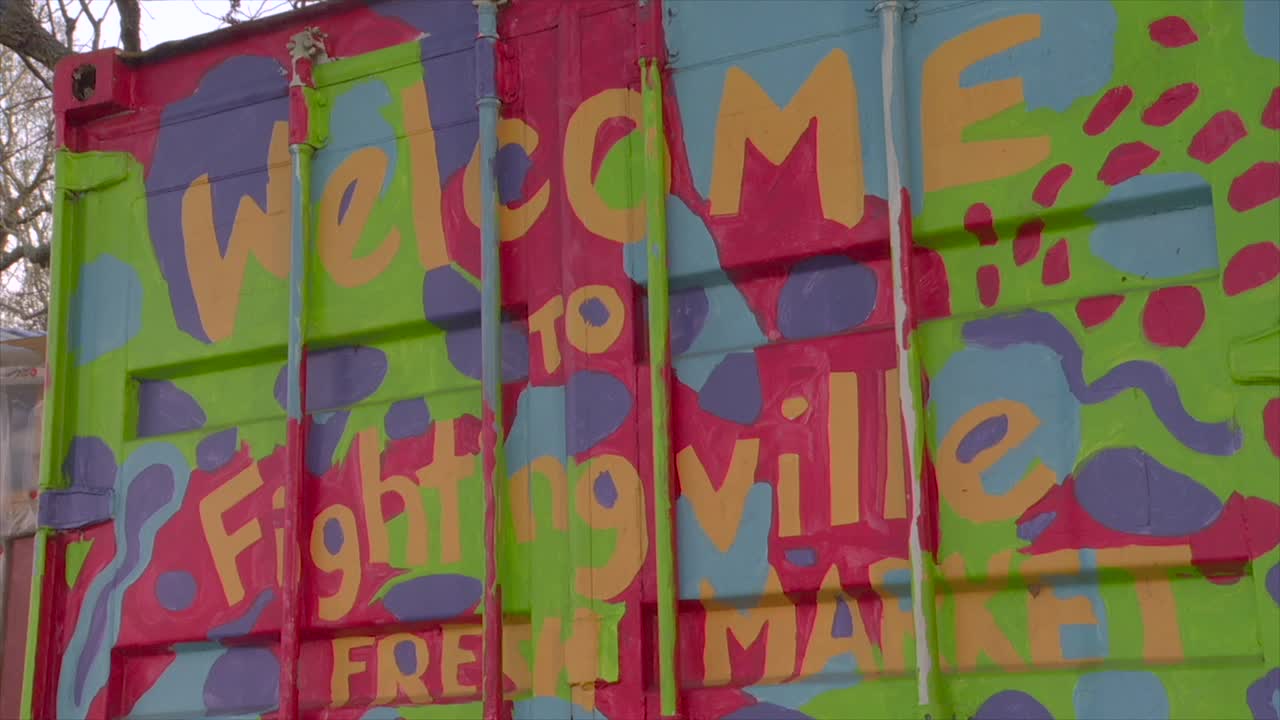

LAFAYETTE PARISH — Just minutes from downtown Lafayette sits a neighborhood rich with history, memories, and meaning—Fightingville.
For generations, it was home to many African American families and stood as a rare example of an integrated community during a time when segregation was the norm.
“We were integrated,” said longtime resident Amy Dalcourt. “We had Black families and white families living there.”
Fightingville wasn’t just a place on the map—it was a way of life.
“We didn’t have a city bus,” Dalcourt said. “We walked everywhere we went. We couldn’t afford cars back then—the economy was bad.”
Still, residents say the neighborhood was full of warmth, culture, and togetherness. Some memories are so vivid they linger in unexpected ways.
“It even had a smell,” one resident recalled. “You could smell fresh bread for miles.”
Those memories of childhood, culture, and community continue to echo decades later.
“I remember walking from Madison Street to Antoine Elementary at eight years old,” said Brandon Shelvin, another former resident.
On Sunday afternoon, those stories took center stage during a panel discussion and block party kicking off Black History Month. Businessman and entrepreneur Brandon Shelvin joined other panelists to reflect on Fightingville’s past and its role as a cultural heartbeat for black communities in Lafayette.
“You had Herman Veazey’s Jazz Room on the block,” Shelvin said. “The block was an entertainment hub at that time.”
According to Shelvin, legendary performers—including Diana Ross—once took the stage there.
Beyond music and entertainment, Fightingville was also known for its black-owned businesses—places that served the community day in and day out.
“You had Cash Liquor Store, Food World, St. Paul Catholic Church—which is still there—snack shops, Mr. Richard’s Grocery Store, Mouton’s Grocery Store,” Shelvin said.
But residents say what truly set Fightingville apart wasn’t just the businesses—it was the people.
“We were a praying community,” said George Portlock. “We were together.”
Event organizer Micah Williams said hearing stories from multiple generations—ranging from people in their 90s to those in their 40s—was powerful.
“It’s remarkable,” Williams said. “Celebrating history like this keeps neighborhoods like Fightingville alive.”
Williams says sharing these stories is essential—not just for remembering the past, but for preserving it.
“It’s important because it brings us together,” Williams said. “We get to share our stories—and that’s the only way they live on, if we share them.”
And for those who grew up in Fightingville, one truth remains constant.
“One thing I can say about the Fightingville community,” Shelvin said, “we took care of our own.”
