

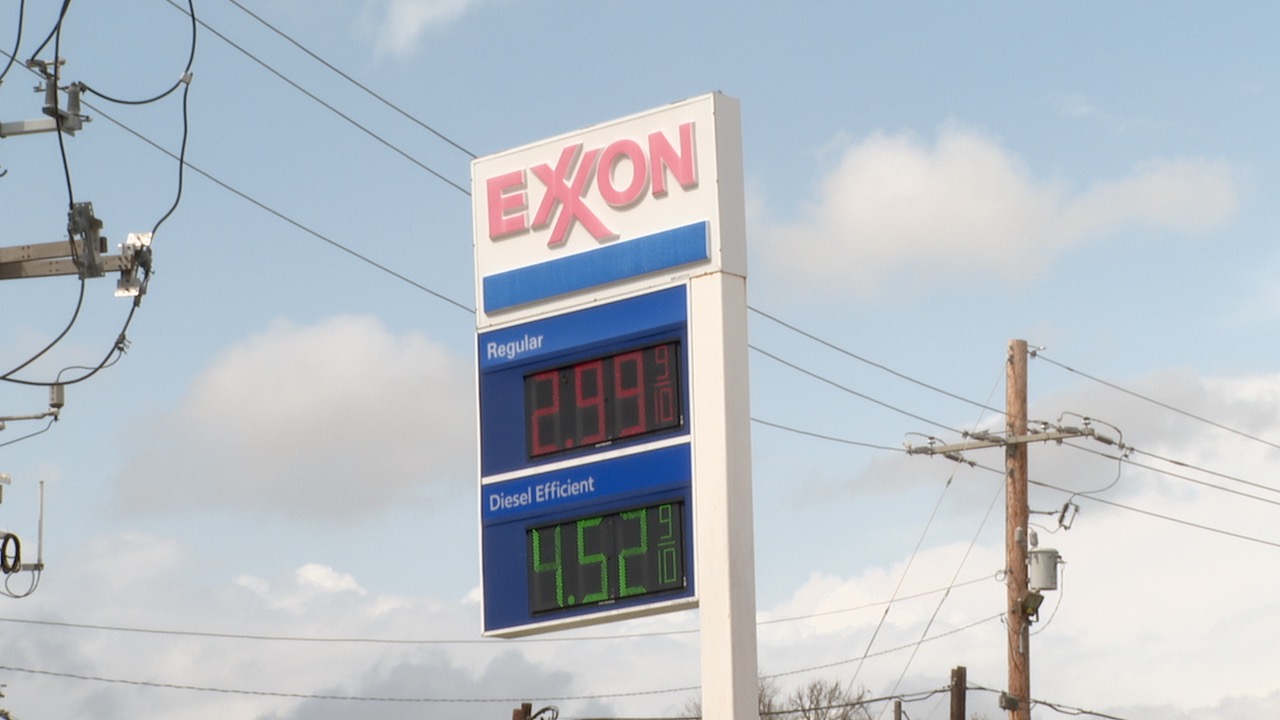

MAURICE — Residents are feeling the impact of rising gas prices, but they could potentially feel the impacts at the grocery store as well.
Lafayette resident Jonathon Dugas said he is feeling the sting of increased gas prices.
"I just got through filling up my truck and excavator and it’s $240 for both vehicles and it’s just skyrocketing a few days. It’s horrible. It’s bad," he said.
The ripple effects of rising gas prices could extend beyond fuel costs. Dr. Greg Upton, executive director of the LSU Center for Energy Studies, said higher energy prices can drive up the cost of consumer goods, including groceries.
“You go to the grocery store and you buy those groceries. Well, those groceries had to be physically delivered to that store, and there’s supply chains that deliver those products. And so, as the price of energy increases, this also trickles into the price of those products, and other products that we purchase,” he said.
Upton said that if it happens, the impact on grocery prices would not be immediate, and it will likely be less noticeable than daily fluctuations in gas prices.
“You can think about going to the grocery store and buying your groceries. Yes, it’s going to be an input, but it’s going to be a less important input than something like transportation, for instance.”
Despite the current spike, Dr. Upton said history suggests time periods of high gas spikes typically do not last long, which he said is good news for consumers.
“As energy costs go up, this ultimately trickles down to the cost for consumers and as energy prices go down and you have low energy pries, that’s generally good for consumers.”
