


LAFAYETTE — In 2025, President Trump imposed tariffs on foreign countries under the International Emergency Economic Powers Act.
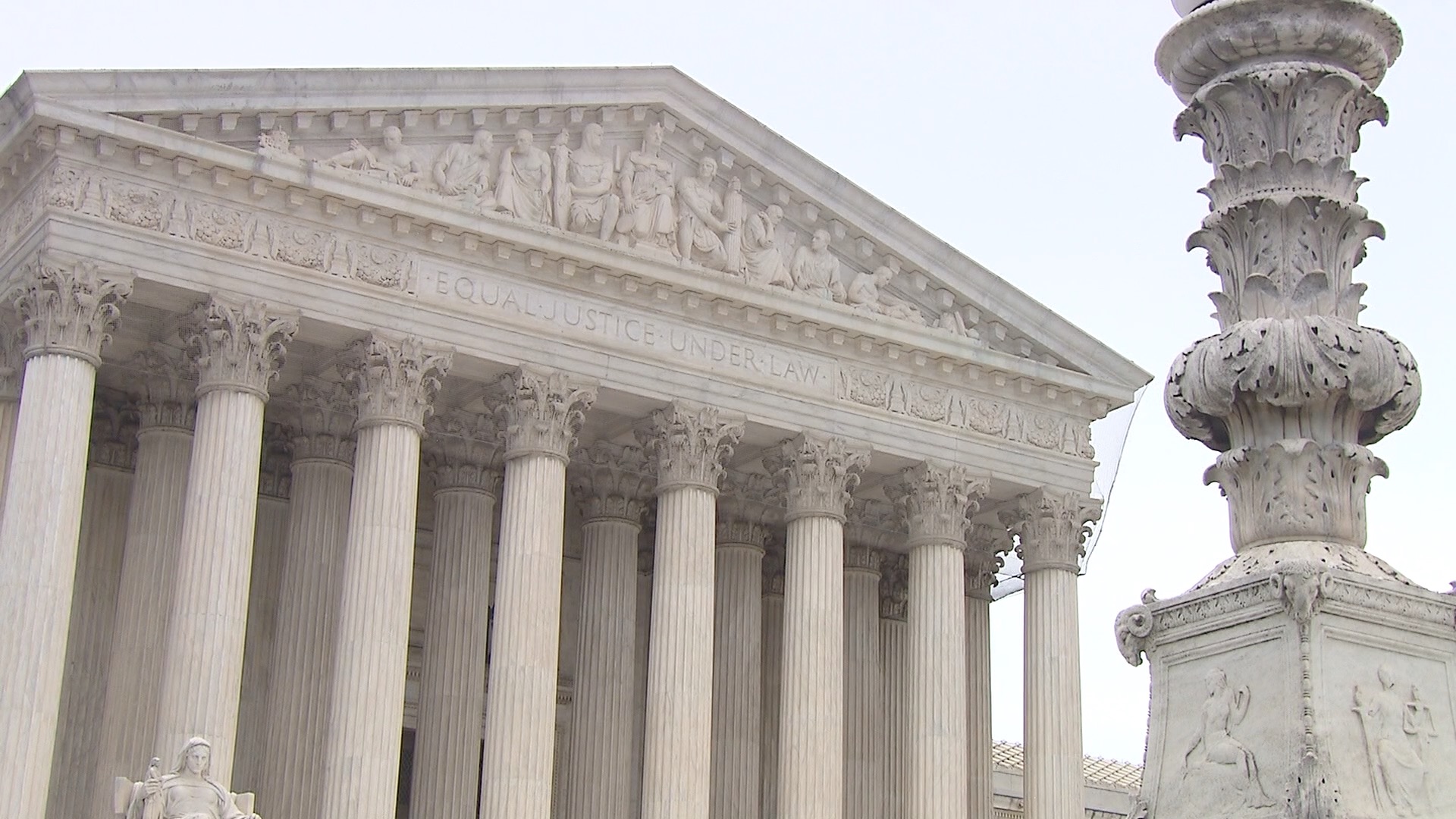
On Friday morning, the Supreme Court ruled 6-3 that this enactment was unconstitutional.
This decision now raises the question of whether consumers will see prices decrease.
Dr. Stephen Barnes, a UL Lafayette Economics Associate Professor, said, “Factors in 2025 that was helping to keep inflation high was tariffs that was putting upward pressure on prices.”
He added, “We’re going to expect to see a pretty quick reduction in prices. For now, some a good signal and some breathing room here where we might see a little bit of pressure relieved on prices and see prices maybe even come down for some goods.”
While Dr. Barnes said inflation will likely decrease as a result of the decision, the decision will affect businesses in different ways.
He said protected industries could have benefited from the tariffs being in place.
“That now made it a lot easier for American companies to compete in the marketplace and sell their products at a higher price,” he said.
However, other businesses may benefit from the Supreme Court’s decision to strike down the tariffs.
He said, “Businesses that do a lot of exporting in the global marketplace might in fact be quite happy to be able to import parts and some of their inputs to production.”
President Trump said in a press conference on Friday afternoon that he will enact the tariffs through an Executive Order rather than through Congress.
